Search This Blog

Friday, May 21, 2010

Crete wildlife, flora and fauna

Just back from a weeks strenuous walking in Crete. The flora was suffering due to a lower than usual rainfall this year. So flowers needed a bit of searching for. Difficult to identify plants photographed even with a book to help.
Here are a few images of  bugs and a butterfly. I hope to add idents soon. Next post I'll add some flowers.
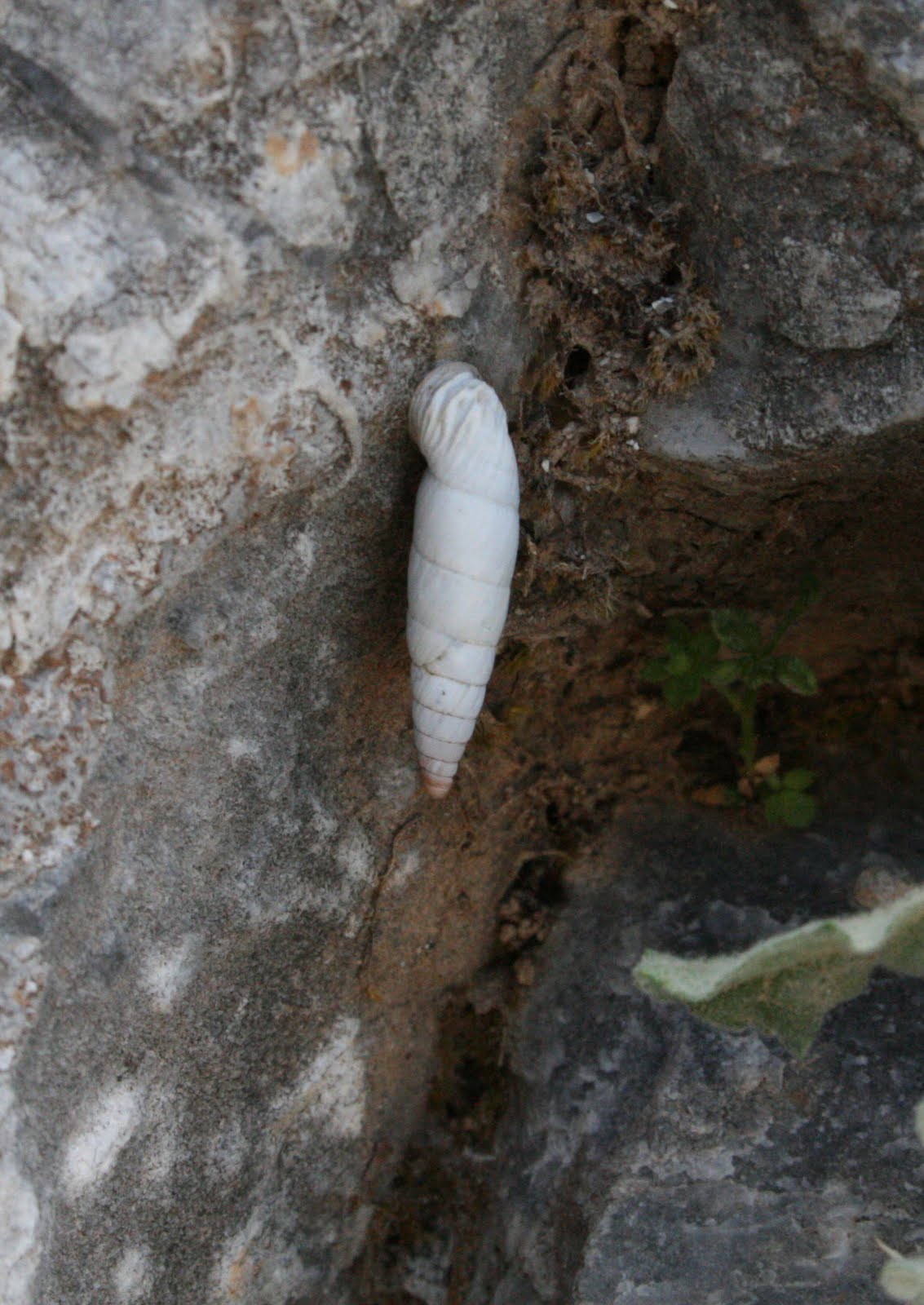
If anyone knows what these are please let me know.


Sunday, May 09, 2010

Woodland wonderland


A walk organised by the Private Nature Reserve Network, run by the Somerset Wildlife Trust proved to be a wonderful experience as we walked for some 2 miles through mixed deciduous woodland, surrounded just about everywhere by Bluebells.The only minor blemish on the day was the mostly cloudy sky and the chill in the North East wind. To give a taste of woodland here are a few photographs.They show one of the groups of visitors, a fallen tree surrounded by Bluebells, an orchid (Early Purple I think) and a mystery plant. Can anyone identify it for me please.

Saturday, May 08, 2010

Wild About Gardens


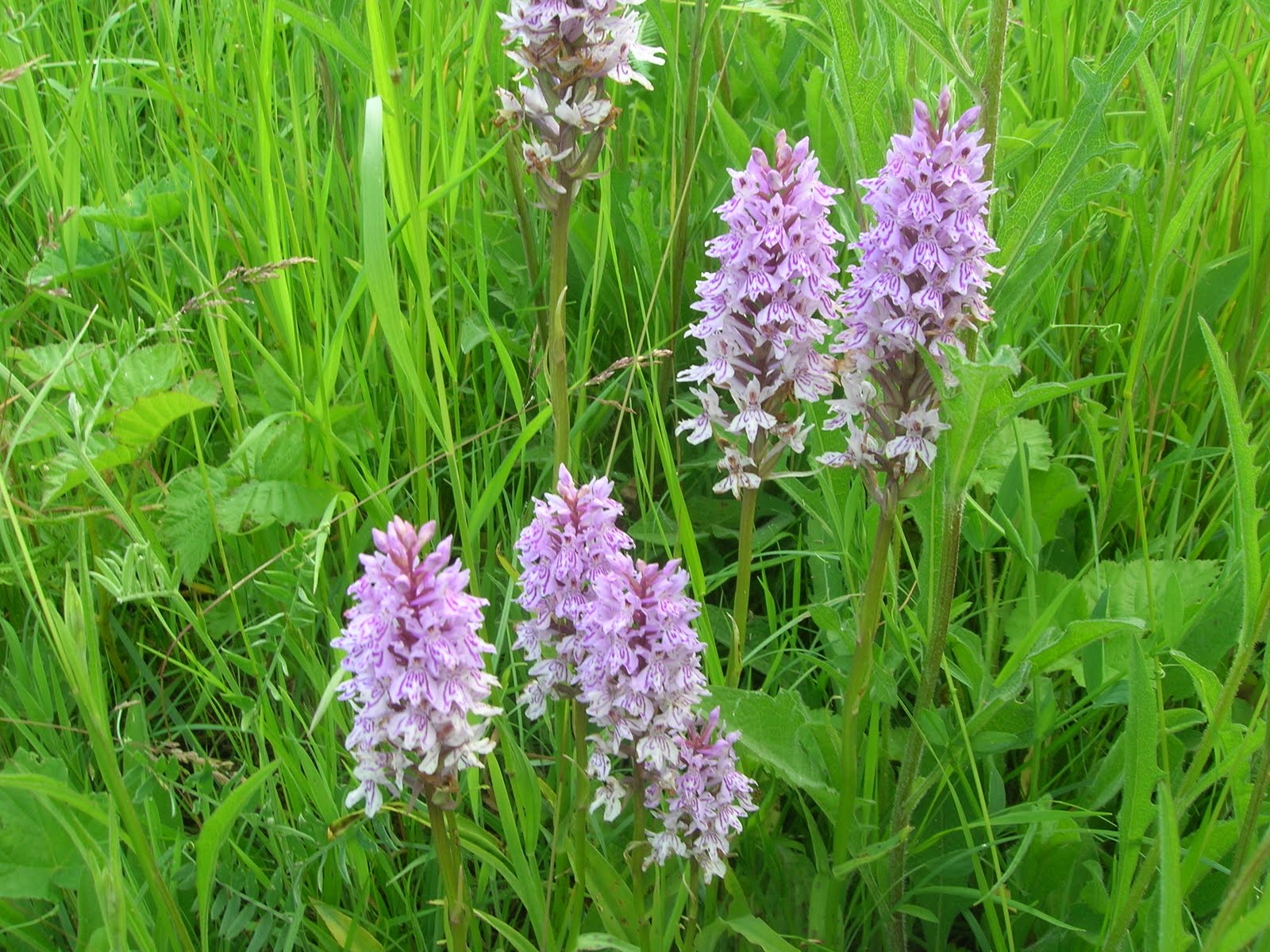
I've cheated a bit here because these orchids were on a track near a garden. The photos were taken in June 2008 during a walk but they would look good in someones wild garden area!


The notes shown below are taken from the latest newsletter from Wild About Gardens published by the RHS and the Wildlife Trusts to encourage people to encourage wildlife in their gardens. Click here to visit their web site. Or use this address:

http://www.wildaboutgardens.org/
The letter is well worth signing up for to keep up to date on what can be found in gardens.


"On a sunny day in May, it is easy to see why gardens are so important for biodiversity, the variety of life on earth. This is the month when plants race away, outgrowing their allotted spaces, and buds burst into bloom. Into this flourishing and colourful spectacle are drawn many creatures that rely on gardens for shelter, food or water.

This year is particularly important to biodiversity everywhere. It is the International Year of Biodiversity and 22 May is International Biodiversity Day. The aim is to highlight the worldwide decline in biodiversity. This is something that affects all of us, and it is something we can all act on in our own gardens.
Everything you do to help wildlife in the garden makes a difference. More than that, there are some garden species that are known to be in such steep decline that they have special conservation status. Examples include sparrows, starling, bumblebees and hedgehogs. These are species which you as a gardener can help. You can also help where countryside habitats – especially ponds – have declined, by providing substitutes.

What to look out for in May

More butterflies are flying by now. You could see any of: common blue, holly blue, orange tip, painted lady, and the whites – small, large and green-veined. Painted ladies are migrants that come, via Europe, from Morocco. Last year was a bumper year for them and it will be interesting to see what numbers visit us this year.

Look out for slow worms in your compost heap, or sheltering in warm damp places, for example under logs or rocks that have been warmed by the sun. They are active during the day, so there is a chance you may see them as they forage for slugs and snails.

* Swifts are migrants that start to arrive in late April or early May. It is hard to miss the aerial acrobatics and the distant shrieks that fill the air as they swoop and turn after airborne insects. They can be distinguished from swallows, also around now, by the lack of a pale breast and shorter tails. They stay just long enough to breed and return to Africa from late July onwards."

Wednesday, April 21, 2010

The Election

Just to start this post I am pleased to be able to show these photographs taken in our local nature reserve meadow in the last week or so. The cowslips are looking great and the fungi has not been seen there before. A Morel fungi I think!


 Now for the election!


This is what the Royal Society of Wildlife Trusts is saying about the Election debate.


Public urged to tell politicians:

We care about wildlife

30th March, 2010

Conservationists are urging the public to help stop further wildlife loss by encouraging their local MPs and Prospective Parliamentary Candidates to sign a new ‘wildlife pledge”, to do all they can to stop and reverse wildlife decline.
A consortium of 11 wildlife charities, including The Wildlife Trusts, have pulled together the pledge to help reverse the rapid decline in our wildlife - both species and habitats. It was recently reported that around 500 species have become extinct in England in the recent past and conservationists are appealing to the public to help make wildlife a top priority for politicians and stop further species being lost.
The Wildlife Pledge, which can be viewed online at www.wildlifepledges2010.org.uk  is supported by wildlife organisations representing more than two million people. It includes the promise to take action in tackling climate change and to help wildlife meet this challenge. It also looks for commitment from politicians to help reverse the decline of farmland wildlife by the effective promotion of nature-friendly farming, as well as to provide children with contact with the natural world as part of their education.
The pledge gives Prospective Parliamentary Candidates the opportunity to express their support and commitment to various aspects of wildlife conservation. The public can view which candidates have given their support for this issue before the election. Conservationists are encouraging people to then contact their Prospective Parliamentary Candidates informing them how important this issue is and that their response to the pledge may affect the way they vote.
Stephanie Hilborne, chief executive of The Wildlife Trusts, said:
“The actions of the next government are absolutely crucial to ensuring a future for our wildlife. One of the many challenges they will face will be to implement the Marine Act to restore our seas and also to restore the natural environment on land. It is vital that we have MPs in the new parliament who understand and appreciate these challenges and keep the next government on its toes.”

To find out if your local candidates have signed the pledge, visit www.wildlifepledges2010.org.uk
Story by RSWT

More Information

The consortium of 11 organisations involved with the Wildlife Pledge is as follows: Amphibian and Reptile Conservation, Bat Conservation Trust, Buglife, Butterfly Conservation, The Grasslands Trust, Mammals Trust, Plantlife, RSPB, Wildfowl & Wetlands Trust, The Wildlife Trusts and the Woodland Trust.

Friday, April 09, 2010

Orchards.

2010 International Year of Biodiversity.
Butterfly Conservation.    Drink cider and help the Mistletoe Marble moth.
Traditional Orchards.
April 15th. Details on our Diary Blog.
This is the subject of our next public meeting.

Our speaker is the Project Officer for the National Trust. Read more about their project to conserve Orchards. Click here to go to their web site and here.

Their project is funded by  Natural England.  Click here to go to their report on orchards.

The Peoples Trust for Endangered Species is also running a project to find and record England's remaining traditional orchards. Click here to go to their web site.

Butterfly Conservation have been cooperating with the National Trust to survey orchards for moths. The rare Misletoe Marbled Moth ( Celyphia Woodiana) is described here in a report.

The moth is also reported in the web site of "Bird Guides"with a photo and this recommendation to help the conservation of traditional apple orchards.
"Butterfly Conservation.  Drink cider and help the Mistletoe Marble moth."

Tuesday, April 06, 2010

Orchards - old and new, Biodiversity, International Year.

In this post I am showing a link to the National Trust web site covering their Orchard restoration project.

This is the subject of our next public meeting.
**************************************************************************
Month: April 2010 Date: 15th……………Tea and Coffee from 7.15,  Start Time: 7.30…pm………… End Time: 9.30 pm

Wildlife in traditional and modern English orchards.

Kate Merry, NT Orchard Project Officer and Alison Slade, Somerset Partnership Biodiversity Officer with the Somerset Wildlife Trust.

Click here to go to National Trust  for more information.

Description of event: An illustrated talk about traditional orchards which are a priority habitat under the UK Government’s Biodiversity Action Plan. The NT is a joint leader with Natural England in a project for their conservation and restoration and to improve our knowledge of their associated wildlife. Kate and Alison will talk about their work and the implications for Biodiversity.

Fee £2.50
Curry Rivel Primary School.

Election meeting


Somerset Wildlife Trust

invites you to come along to

ENVIRONMENT
QUESTION TIME

A pre-election public meeting with
Somerton & Frome’s political party candidates

Monday 12 April
Caryford Community Hall,
Ansford, Castle Cary.
(Doors open at 7:15pm for a 7:30 start)


This is your chance to ask Somerton & Frome’s political party candidates what they would do for Somerset’s natural environment

Urban woods and trees can help wildlife to flourish - the Woodland Trust

Urban woods and trees can help wildlife to flourish - the Woodland Trust

Friday, April 02, 2010

Natural disasters down under.

Now for something completely different. As far as I can tell this is a video from Australian TV and is a parody of the way politicians handle real environmental disaster. In any case its very funny (IMHO)