Search This Blog

Monday, October 30, 2006

Blog features


While I'm posting I'll add a photo showing the start of the Fungi Foray in Beer Wood. It wasn't raining at the start but did get a bit wet by the end but mild.

Searching this blog can make it more user friendly and easier to find items of interest to you.

Since starting in Jan 2006 there have been 61 posts. To see earlier posts you can either work your way through the archives or you can use the "search this blog" button on the top of the page. Select a post reference and click on it which will bring up the actual post.

If you use the search button this is part of what you will see:


Sorted by relevance - Sort by date. 61 posts matching blogurl:heartofthelevels.blogspot.com - showing 1 through 10

GM crops and DEFRA consultation
28 Oct 2006 by David

My post dated 27th Sept 2006 (which can be seen in the Archives section below) drew attention to the consultation by DEFRA on the proposed introduction of GM crops. Somerset County Council has just published its own submission to the ...

Heart of the Levels Wildlife Group - http://heartofthelevels.blogspot.com
test post
28 Oct 2006 by David

in case you are interested. I have found that after writing a post I wasn't able to publish it and got an error message to do with a java problem which I don't understand. I'm writing this from another computer to see if it publishes ok. ...

heart of the levels wildlife group - http://heartofthelevels.blogspot.com
Difficulties posting to the blog
28 Oct 2006 by David

Apologies for some disruption in the posts. I hope to clear it soon.

Heart of the Levels Wildlife Group - http://heartofthelevels.blogspot.com
GM crops consultation
28 Oct 2006 by David

I read in the local paper that the County Council had had its own consultation. A large number of individuals and organizations attended a meeting of the Councils Executive Board on 11th October at which the Council’s policy position ...

Heart of the Levels Wildlife Group - http://heartofthelevels.blogspot.com
RHS Rosemoor. Lichens
27 Oct 2006 by David

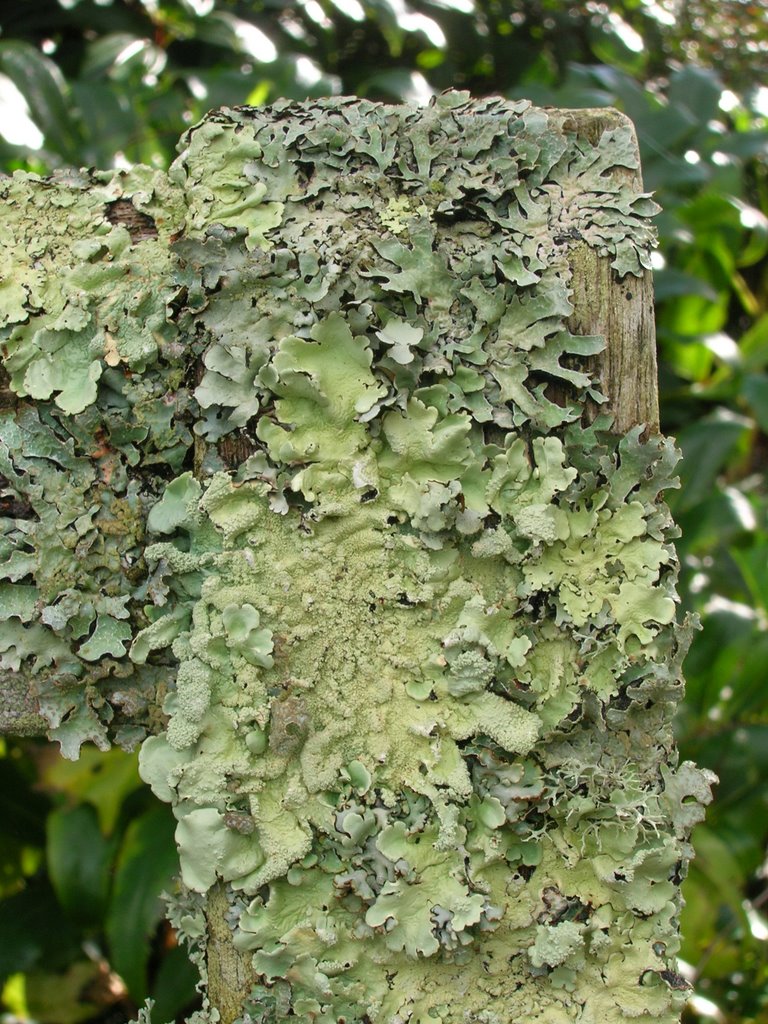
Having mentioned lichens, see my last post, I should add a few notes to go with these photographs. I had of course seen many lichens during our recent fungus foray but they were ignored whilst we concentrated on the fungi. ...

Heart of the Levels Wildlife Group - http://heartofthelevels.blogspot.com
more fungi, some lichen and a short story
26 Oct 2006 by David

its often surprising how we meet unexpected coincidences. This short story starts on the Sunday after the foray into the woods. During the clearing up in the village hall, after the expert identification display I saved some of the ...

heart of the levels wildlife group - http://heartofthelevels.blogspot.com
Fungi Foray II
26 Oct 2006 by David

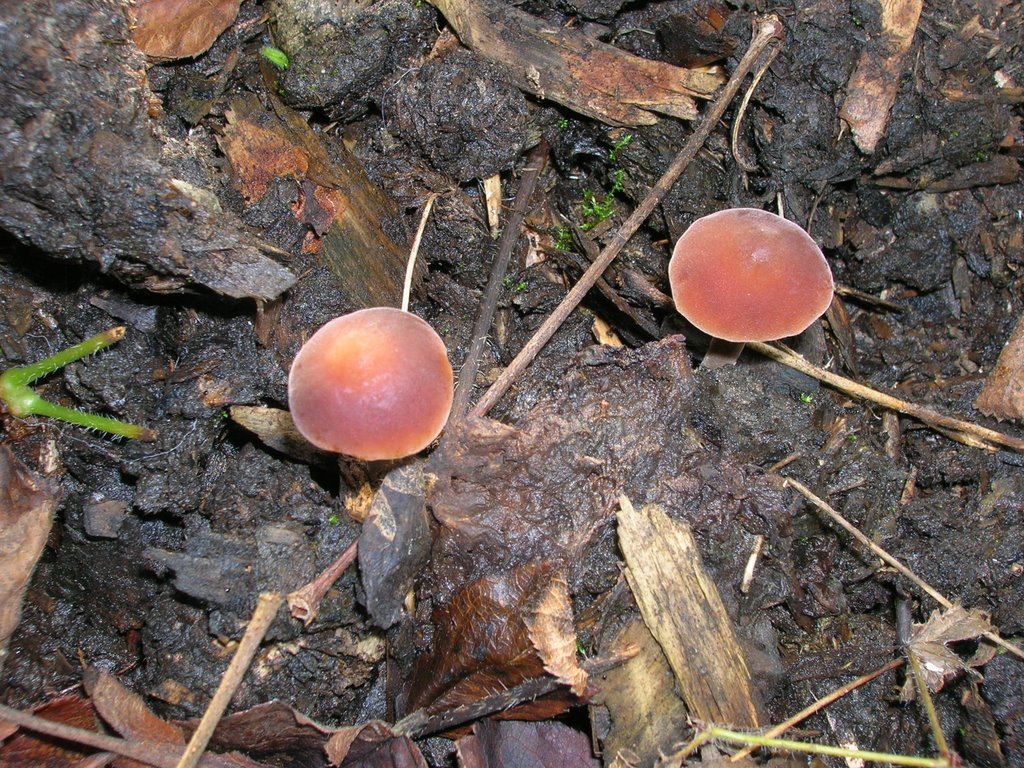
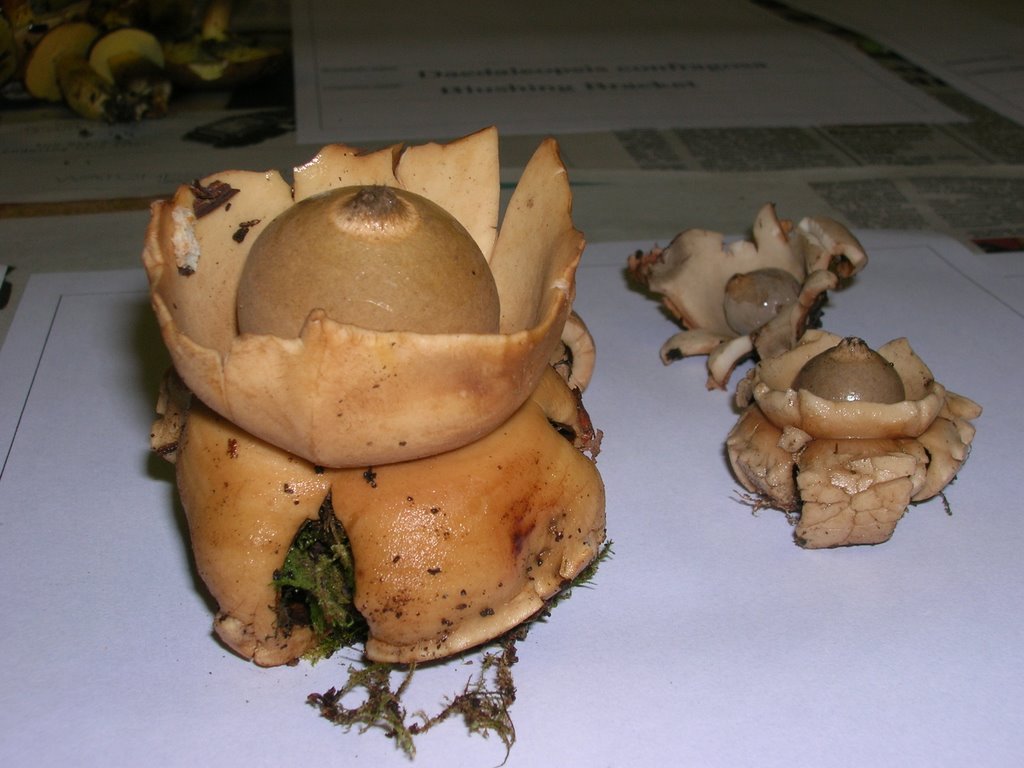
Here are a few photos taken during our Fungi Foray, first out in the woods and later in the local village hall where the collected fungi were laid out for identification.I hope to get the correct names soon.

Heart of the Levels Wildlife Group - http://heartofthelevels.blogspot.com
Beer Wood Fungi Foray
22 Oct 2006 by David

If you have never been on an autumn trek into the woods in search of fungi then I can assure you, you have missed a treat. Today I was in Beer Woods, one of the best reserves in Somerset with about 60 other enthusiasts. ...

Saturday, October 28, 2006

GM crops and DEFRA consultation

My post dated 27th Sept 2006 (which can be seen in the Archives section below) drew attention to the consultation by DEFRA on the proposed introduction of GM crops.
Somerset County Council has just published its own submission to the DEFRA on the subject.
Here is a link to the SCC web site.

SCC is opposed to GM crops.

Below is a condensed version.

*********************************************************************************

Somerset County Council response to the DEFRA consultation document on proposals for managing the co-existence of conventional and organic crops October 2006


There is great concern in Somerset over the governments intention to allow GM crops to be grown in the UK. The term GM is used rather ambiguously in the consultation document and Government Policy statements, the Councils concerns relate to plants in which the genetic material has been altered in a way that does not occur naturally.


A large number of individuals and organizations attended a meeting of the Councils Executive Board on 11th October at which the Councils policy position on GM crops was discussed in addition to the response to the DEFRA consultation. The public speakers included representatives from:


* Yeo Valley Organics
* Friends of the Earth
* The Castle Hotel, Taunton
* A farmer and worker with the Bath and Wells Diocese


Written representations were received from:


* Friends of the Earth
* Bowerings Animal Feeds, Bridgwater
* Somerset Wildlife Trust
* Somerset Organic Link and Somerset Organic Link Producers
* Somerset County Federation of Womens Institutes
* Keinton Mandeville Parish Council


All public speakers and all of the written submissions expressed the strong and unanimous view that there should not be any GM crops grown in the UK. In considering the Councils position on the commercial growing of GM crops in Somerset the special characteristics of the Somerset countryside and economy are important:


* Somerset is a rural County with a national park, 3 areas of outstanding national beauty, 3 environmentally sensitive areas, 126 site of special scientific interest, 11 national nature reserves and 19 local nature reserves

* The total area of Somerset is 345,233 hectares, 269,371 hectares (78%) of which is under agricultural management employing a total of 14,000 people.

* 38% of the total organic land area in England production is in the South West.

* 3000 hectares of organic land in Somerset is used for organic crops

* Somerset is home to 23% of all farmed bee colonies in the South West


Councillors on the Executive Board were unanimous in their view that GM crops must not be grown in the UK. They also want the government to press for a change in current EU law to give legal recognition and protection to local areas that wish to remain GM free.


The Board agreed the following resolution:


(a) That the Council does not believe that GM crops should be grown.

(b) To require all new tenancy agreements for County Farms to contain a clause prohibiting the growth of GM crops.

(c) To request that existing County Farm tenants be requested not to grow GM crops.

(d) To ensure that all County Farm tenants be kept informed of the Councils policies on genetically modified organisms (GMOs).

(e) To recommend that the Government adopts a zero tolerance to labelling genetically modified foods.


The Councils stance on the development of GM crops in the UK is one of zero tolerance on co-existence. There are no circumstances under which GM, non-GM and organic crops can be grown together.


* GM contamination of conventional crops, organic crops and the food chain is unacceptable
* GM crops present a major threat to organic farming which is an important and growing industry in Somerset and one which DEFRA itself promotes
* Honey production is threatened by GM crops as there is no way that any coexistence measures will prevent the contamination of honey with GM pollen
* The rights of gardeners and allotment holders to grow their own GM free produce have been completely ignored in the consultation and dismissed as unimportant


The Council is also very disappointed that in launching this consultation on coexistence the government has chosen to ignore the results of its own national debate on GM which found that

“There is little support for the early commercialisation of GM crops.........."

We look forward to the governments response to these comments and trust that the overwhelming wish of the UK public, that GM crops have no place in British agriculture, is acted upon by the government.

Test post

In case you are interested. I have found that after writing a post I wasnt able to publish it and got an error message to do with a Java problem which I dont understand. I writing this from another computer to see if it publishes OK. Here goes.

That went through OK. I'm now trying the edit mode which also refused to work.

Difficulties posting to the blog

Apologies for some disruption in the posts.

I hope to clear it soon.

Friday, October 27, 2006

RHS Rosemoor. Lichens


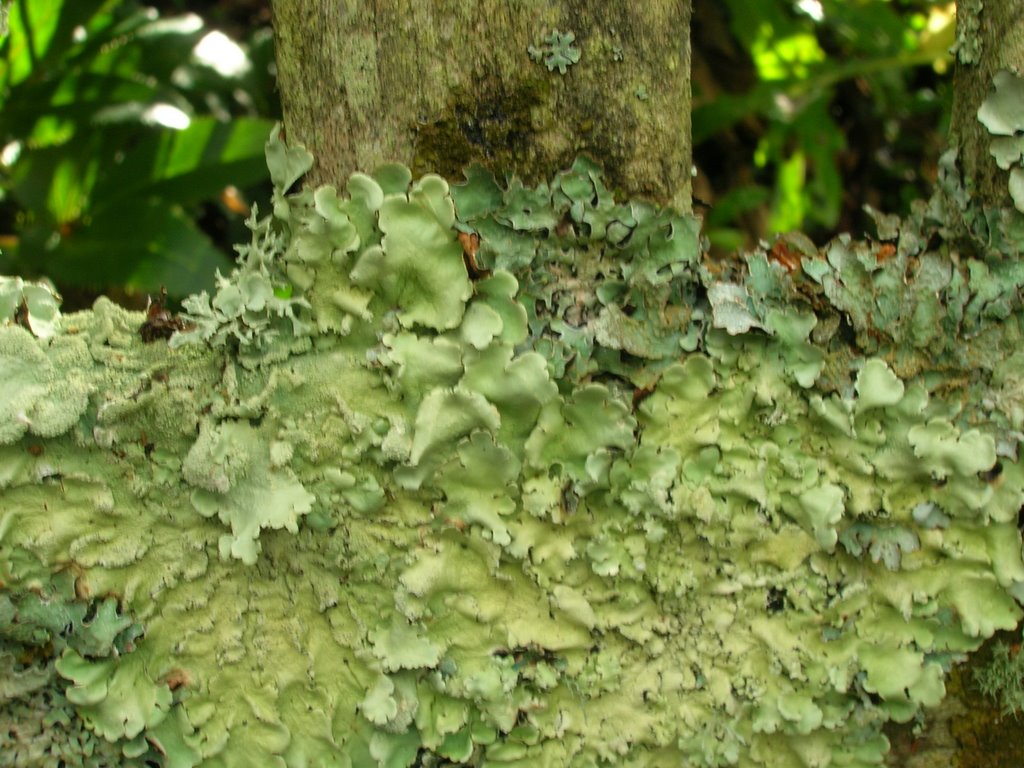
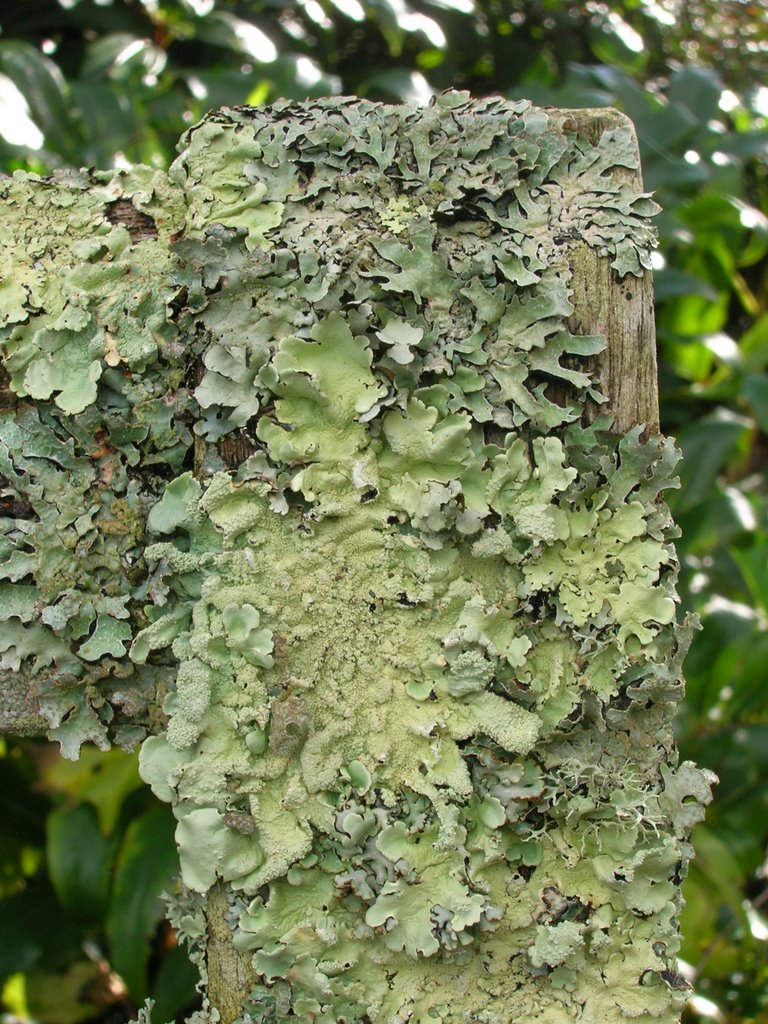
Having mentioned lichens, see my last post, I should add a few notes to go with these photographs.
I had of course seen many lichens during our recent fungus foray but they were ignored whilst we concentrated on the fungi. At Rosemoor the RHS has gone to the trouble of producing a leaflet with the help of The British Lichen Society, which describes in some detail some of the 150 or so species which they claim have been found on the site. It has been a feature of this venture to start up our group, nearly a year old now, that as we slowly get more involved in the reality of the wildlife around us, so we discover worlds within worlds. We move from watching birds in our garden to watching flocks of Starlings at Westhay Nature Reserve, similarly with butterflies and learning about Green Down Reserve where the Large Blue is being rescued from extinction. An interest in trees in general led to a walk in the spring in the Beer Wood Reserve to see wild flowers, orchids and the Green-Veined White Pieris napi butterfly and this followed this autumn by the visit to discover fungi.
It was the coincidence mentioned in my last post which took me to Rosemoor and the remakable introduction to lichens.
The most obvious evidence of these plants and related algae was seen on some wooden benches left out in the gardens. In their leaflet they say;
" The four benches.....illustrate how some lichens prefer damper situations on ledges at the backs of the benches and other drier, sunnier positions where birds perch and their droppings provide nutrient enrichment. The small leafy bright orange lichen Xanthoria polycarpa on the shoulders of the bench backs, is an indicator of nutrient-enrichment. ......Note , especially, the distribution of crustose( crust forming), leafy and shrubby forms on the beautifully lichen-covered old bench just round the corner...."
To conclude, we were in a garden famed for its rose bushes and had seen how all around were equally bueatiful and fascinating fungi and lichens and even forms of alga.

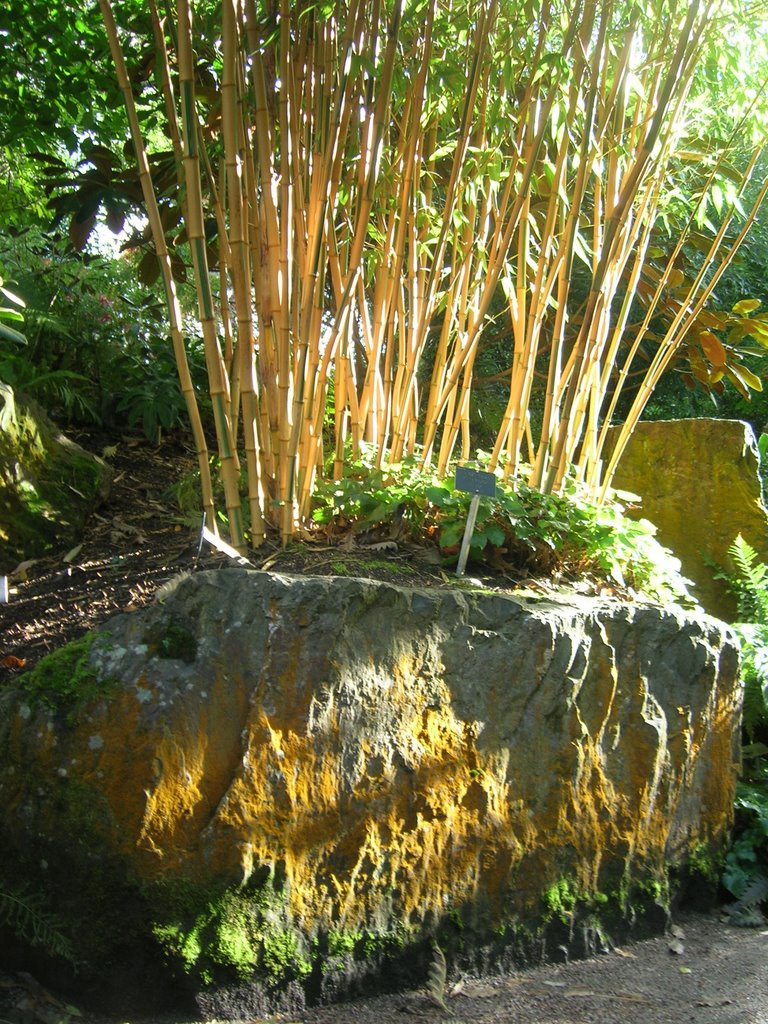
Two of the photographs in this post show the benches and the other two show yellow stemmed banboo growing clos to a rock sporting the dramatic bright orange coloring of Trentepohlia

Thursday, October 26, 2006

More fungi, some lichen and a short story


Its often surprising how we meet unexpected coincidences.
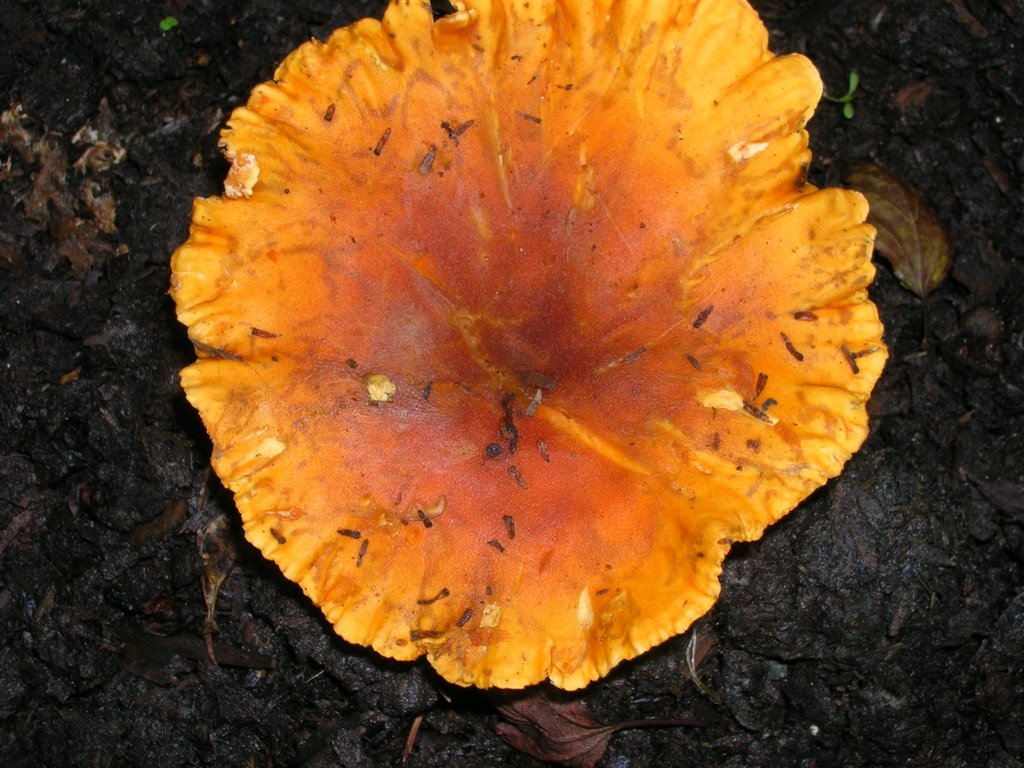
This short story starts on the Sunday after the Foray into the woods. During the clearing up in the Village Hall, after the expert identification display, I saved some of the specimens from the rubbish bin and filled a bag to take home. I could tell that my wife and a friend who was visiting us were both very impressed when I emptied my bag of damp, quite smelly and suspiciously poisonous looking fungi to show them what I had found. Unfortunately I couldn't identify more than one or two. However the next day we had arranged to visit the RHS Rosemoor Garden and we felt sure they would have a guide to fungi in their bookshop. Which they did and so putting my new field guide in my pocket we set off to tour the rose gardens and woodlands. To my surprise I found that there was also a significant number of fungi growing amongst the formal display. I have never before noticed such a display in a formal garden. I was quite happy to spend the next hour or two peering under and round the roses taking photographs some of which are shown in this post. Returning home I was able to start trying to put a name to the rest of my haul from the previous day.

Fungi Foray II

Here are a few photos taken during our Fungi Foray, first out in the woods and later in the local village hall where the collected fungi were laid out for identification.I hope to get the correct names soon.


Sunday, October 22, 2006

Beer Wood Fungi Foray

If you have never been on an autumn trek into the woods in search of fungi then I can assure you, you have missed a treat.
Today I was in Beer Woods, one of the best reserves in Somerset with about 60 other enthusiasts. Peter Baker, Reserve Manager, gave us a short introduction to what we might find and then it was up to us to spend the next hour and a half rooting around on the steep escarpment.
We certainly found plenty of specimens and headed back to the village hall for lunch and to let the experts examine our haul. Perhaps you can imagine the sight when all the fungi had been displayed with what looked to me like a hundred or so different species with many different shapes and sizes. It was remarkable. I was busy throughout taking photos and hope to show you some of them soon. I was also able to set up a small table display with information about our new local group which generated interest.
Even some rain towards the end of the collection did little to spoil the day.
More later!

Tuesday, October 17, 2006

The Goldilocks Enigma

You may be someone like me feeling my way in the wonderful world of computers and new fangled things like Blogs! Everything seemed to be going as well as could be expected until I took expert advice and changed my browser to Firefox. I did so because I was experiencing a problem with Internet Explorer which started to shut down whilst I was looking at web sites for no obvious reason. Firefox does have some good features and I shall continue with it now I have overcome my latest difficulty.
I changed browsers on Oct 11th and in the next few days made two new posts on the blog.
Neither posts appeared to be published and I tried various ways to find why as they both appeared in Dashboard. This morning I received a comment on the Goldilocks Enigma post which was a surprise because I thought it hadn't been put on the web. Checking the Blogger help web page I found a reference to pop up problems with Firefox. Lo and behold going to Tools/Options/Content and entering the blogger web address and ticking boxes has now allowed my computer to see my own blog. So if you find yourself bewildered by computers I know how you feel.


Now about the comment which you can read by clicking where it says "1 comment" at the bottom of the post concerned. Its good to get comments otherwise you can get very lonely just typing away for your own amusement!

"island" has given me food for thought and I've followed the links to see much more on this subject. However I don't follow the logic in this sentence:

"So the implication is that global warming is an inherently instinctive tendency that progressively offsets the cumulative effect of glaciation that normally sends the Earth into the 100,000 year long ice-age that we are currently overdue for."


If man is by his own actions changing the atmosphere then this can not be classed as an instinctive tendency on the part of the earth as a whole.

And in this sentence: "So the implication is that we will reach a level of technological development that enables us to take advantage of the next most difficult energy-form, right *about* the time that we run out of oil."


It seems that this might be seen as clutching at straws and putting all your faith in technical salvation and giving ourselves the freedom to continue with our lifestyles as if nothing need trouble us.

I hope that makes sense.

Monday, October 16, 2006

The Goldilocks Enigma

Nobody can say that this blog avoids the big issues in life and these short reviews and extracts from a book by Paul Davies prove it .

The book is reviewed on the BBC web site where longer extracts can be seen.

http://news.bbc.co.uk/1/hi/programmes/newsnight/6035233.stm

The Goldilocks Enigma - Professor Paul Davies.

The Goldilocks Enigma tackles fundamental questions about the nature of the universe and our attempts to understand it. Scientific breakthroughs, he argues, have brought us to the brink of comprehending the underlying structure of nature or "a final 'theory of everything'".
Central to finding this solution, he says, is answering the Goldilocks Enigma - why is it that "the universe seems 'just right' for life"?

THE GOLDILOCKS ENIGMA is published by ALLEN LANE, an imprint of Penguin Books.


THE GOLDILOCKS ENIGMA: WHY IS THE UNIVERSE JUST RIGHT FOR LIFE?
By Paul Davies


Why are we here? How did the universe begin? How will it end? How is the world put together? Why is it the way it is? People have always sought answers to such 'ultimate' questions in religion and philosophy, or declared them to be completely beyond human comprehension.

There have been two major developments.
The first is the enormous progress made in cosmology. Observations made using satellites, the Hubble Space Telescope, and sophisticated ground-based instruments have combined to transform our view of the universe and the place of human beings within it.
The second development is the growing understanding of the subject known as high-energy particle physics. It is mostly carried out with giant particle accelerator machines (what were once called 'atom smashers') of the sort found at Fermilab near Chicago and the CERN Laboratory just outside Geneva.
Combining these two subjects provides tantalizing clues that deep and previously unsuspected linkages bind the micro-world to the macro-world.
These spectacular advances hint at a final 'theory of everything' in which a flawless account of the entire physical world is encompassed within a single explanatory scheme.

If almost any of the basic features of the universe, from the properties of atoms to the distribution of the galaxies, were different, life would very probably be impossible. Like the porridge in the tale of Goldilocks and the three bears, the universe seems to be 'just right' for life.
Until recently, 'the Goldilocks factor' was almost completely ignored by scientists. Now, that is changing fast."

In a second extract Davies looked at the coincidences which are required to make the universe fit for life.

A good way to think about this is to imagine playing God and setting out to design a universe. Suppose you had already settled on the basic laws of physics but you still had some free parameters at your disposal. The values of these parameters could be set by twiddling the knobs of a Designer Machine. When would it make a big difference, and when would it scarcely matter? Maybe you can't raise the mass of the electron and lower the strength of the strong nuclear force together because these two properties of nature are connected in some deep way that forbids it.

Finally Davies looks at existing theories of existence.

"So, how come existence? At the end of the day, all the approaches I have discussed are likely to prove unsatisfactory. In fact, in reviewing them they all seem to me to be either ridiculous or hopelessly inadequate: a unique universe which just happens to permit life by a fluke; a stupendous number of alternative parallel universes which exist for no reason; a pre-existing God who is somehow self-explanatory; or a self-creating, self-explaining, self-understanding universe-with observers, entailing backward causation and teleology. Perhaps we have reached a fundamental impasse dictated by the limitations of the human intellect. I began this book by saying that religion was the first great systematic attempt to explain all of existence and that science is the next great attempt. Both religion and science draw their methodology from ancient modes of thought honed by many millennia of evolutionary and cultural pressures. Our minds are the products of genes and memes. Now we are free of Darwinian evolution and able to create our own real and virtual worlds, and our information processing technology can take us to intellectual arenas that no human mind has ever before visited, those age-old questions of existence may evaporate away, exposed as nothing more than the befuddled musings of biological beings trapped in a mental straightjacket inherited from evolutionary happenstance. The whole paraphernalia of gods and laws, of space, time and matter, of purpose and design, rationality and absurdity, meaning and mystery, may yet be swept away and replaced by revelations as yet undreamt of."

How will such revelations if they come about influence us in our attitude to conservation and global warming?
How does this all relate to the thinking of James Lovelock and his Gaia Theory?