Search This Blog

Sunday, August 20, 2006

Biodiversity

Continuing to look at biodiversity it is worth looking at what the Natural History Museum in London has to say about the subject. All the quotes and extracts are from their web site today.

Natural History Museum , London

http://www.nhm.ac.uk/nature-online/biodiversity/index.html

They introduce the subject as:

"The term biodiversity describes the variety of life on Earth, from
micro-organisms to mighty whales, along with the habitats they depend upon.
Discover why the world’s biodiversity is under threat and what will happen to us
as biodiversity decreases. Also, find out about the problems that come with
trying to measure it, and how the Museum’s work is helping in the study and
conservation of biodiversity."

They go on to ask the question which is of interest to wildlife supporters and which not surprisingly echos the quotes in my earlier post on conservation in New Zealand ( post dated July 22nd):

"Why conserve biodiversity?

Biodiversity is a fundamental part of the Earth's life support system.
It supports many basic natural services for humans, such as fresh water,
fertile soil and clean air. Biodiversity helps pollinate our flowers and crops,
clean up our waste and put food on the table. Without it we would not be
able to survive.
The term biodiversity should also remind us that no one
organism lives in isolation. The many different ways that the millions of
organisms on the Earth interact with each other contributes to the balance of
the global ecosystem and the survival of the planet. Biodiversity plays a role
in regulating natural processes such as the growth cycles of plants, the mating
seasons of animals, and even weather systems."


The web site goes on to explain the threat and describes six factors under the headings given below:

"What threatens our biodiversity?
  • Habitat loss and fragmentation
  • Invasive alien species
  • Pollution
  • Climate change
  • Over exploitation
  • Human populations"

There is plenty here to give background to our next public meeting on Climate Change in September.

Monday, August 14, 2006

General news update

In a small change to this Blog I have added a link to the web site for the Somerset Wildlife Trust at the bottom of this template.

Although August is a quiet month with holidays etc, we have progressed a press release to local parish news sheets for our Sept 28th meeting on Climate Change. We must let the local papers know soon.
The Trust summer Magazine is due out any day now and that will carry full details of the meeting and information about our group.

There may be progress on the subject of my last post. I hope a meeting can be set up with the councils Ecology unit to talk about conservation of a grass meadow and I hope to ask about local action on the UK Biodiversity Plan.
I found a web site concerned with the definition of biodiversity which highlighted the need to be clear about the terms used. The web address is: http://bcb706.blogspot.com/2006/08/biodiversity-and-conservation-biology.html

My self imposed task of visiting all our local nature reserves has progressed a little . There are still 3 to go out of 14. My impressions are as I noted on July 21st. Some are more interesting than others for lay persons and in all cases a first visit with a reserve manager is desirable. Details like access and parking or other means of reaching the reserves can all be research by ourselves but the flora and fauna to be seen needs an experienced eye to give a satisfactory experience of the visit. We also need a list of reserve managers and contact details.

Monday, August 07, 2006

biodiversity

To see what our local district council says about biodiversity you can go to their web site and search for the documents shown below. For a subject as important as this finding your way through their web site to these documents is not easy.
The overall government view is given in the ukbap web site.
Then the SSDC site has an index page for the countryside issues and from there you can search for the two documents which are quite interesting. It will probably need us to ask for a meeting with someone in this part of SSDC in order to find out what it all means on the ground now and over the next few years.
Good luck with the browsing.

http://www.ukbap.org.uk/default.aspx

http://www.southsomerset.gov.uk/index.jsp?articleid=741

Countryside Action Plan 2005-2006 [2Mb]

Strategy for Nature Conservation in South Somerset [136kb]

Saturday, August 05, 2006

Public meeting on Climate Change

As our next public meeting on Sept 28th is on the subject of climate change I have started looking to see what the internet can provide to help see the wood from the trees. This is a very apt saying in the circumstances highlighted by recent newspaper reports about drought in the Amazon rain forest. The web site shown below is relevant to any consideration of climate change.
http://www.realclimate.org/

Saturday, July 29, 2006

Nature reserve visits


Close to Babcary Meadows is Perry Meade. The map on the SWT web site is very good but I think the grid reference for limited parking at the side of the lane should be 563303
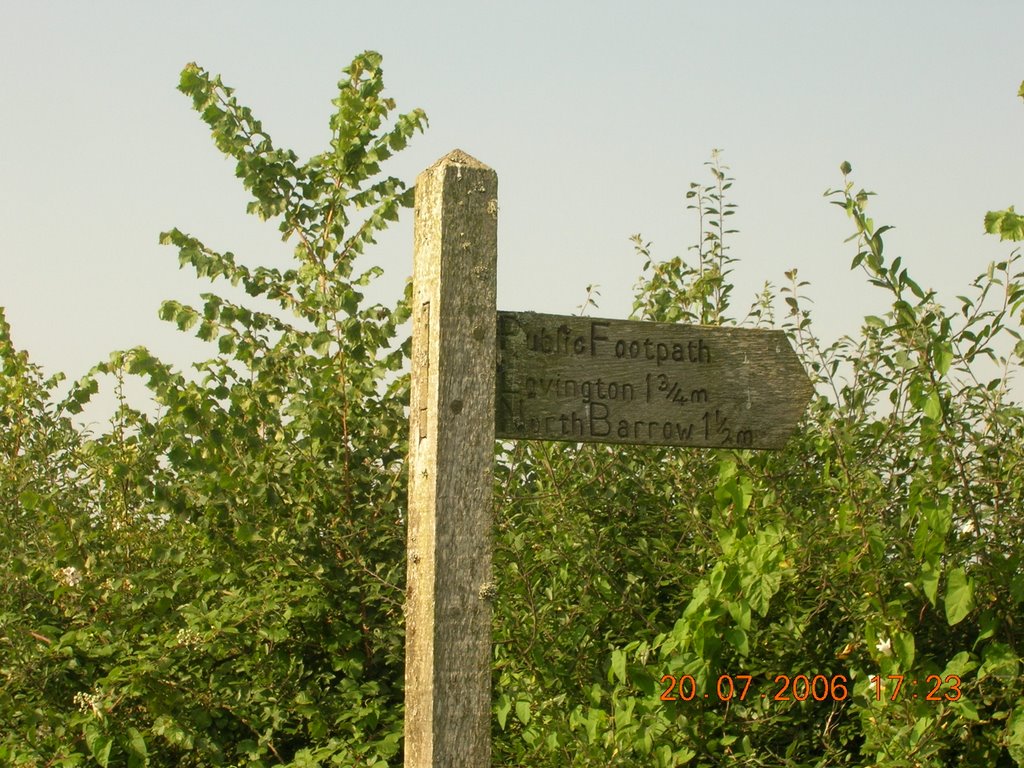
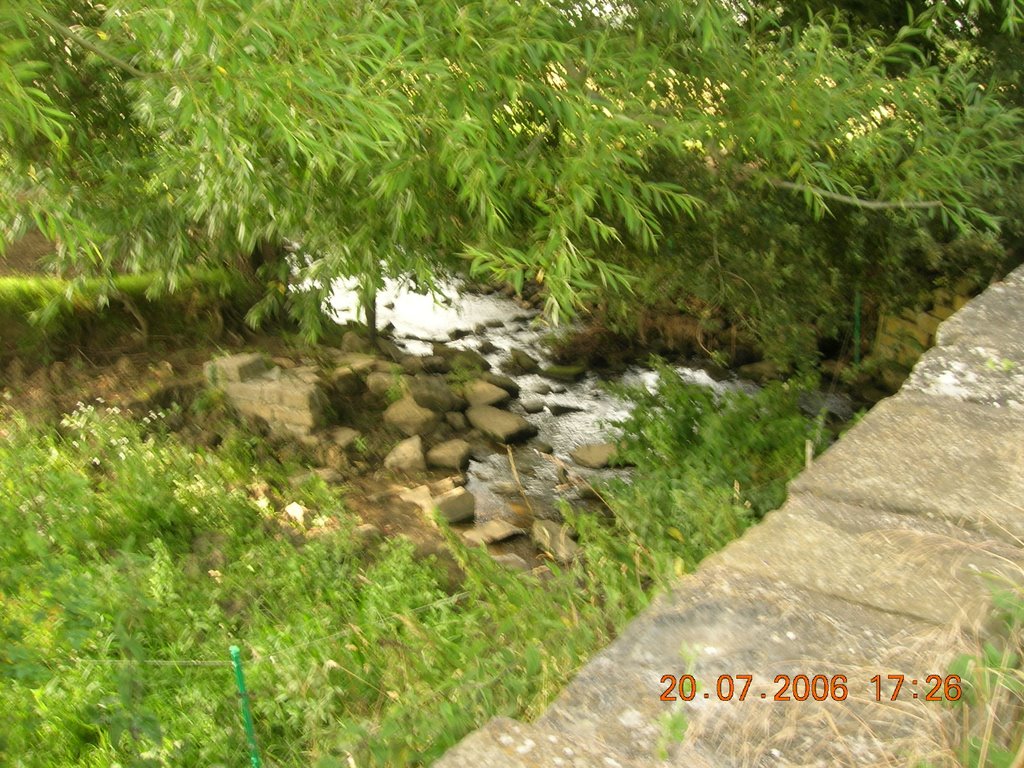
Find the lane to Foddington from the B3153 and head south to the little bridge over the River Cary shown below.The river is a very small stream at this point. Park nearby and find the signpost to Lovington by the side of the lane. One field away is the reserve. If anybody has explored the reserve please share your observations with us.


I didnt have time to do more than find the reserve before going on to Green Down. There are two access points and the western end close to the main line railway bridge is shown on the photo below.


More details on the SWT web site. The reserve has been closed to all visitors from June 3rd till July 16th because of the prescence of the rare Large Blue butterfly.


See SWT web site for details:
http://www.somersetwildlife.org/reserve_49.php
Another site which deserves a longer visit!

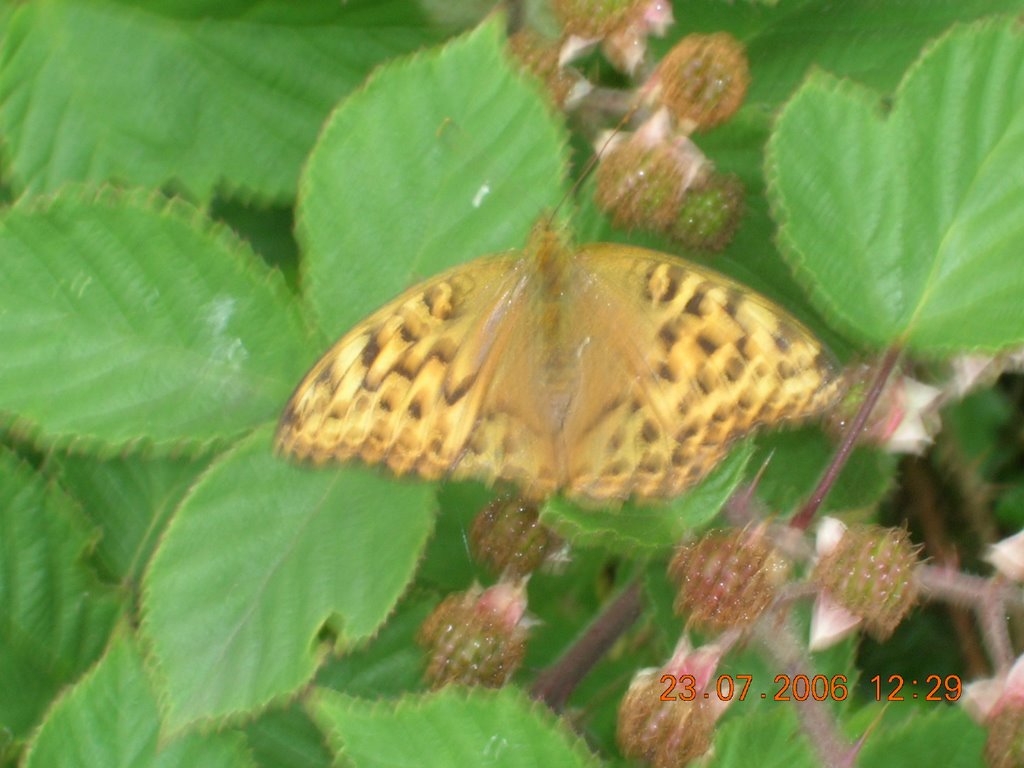
On 23rd July I joined an organised walk in Breech Wood near High Ham for a very successful sighting of vaious species of butterflies including the quite special Silver-washed Fritillary and its even rarer form known as Valezina. My photo is not very good but can be recognised I think.

Saturday, July 22, 2006

A global view.

Our new group is primarily interested in a small part of Somerset about 15 miles by 7 miles in size and contains an interesting mix of wildlife, geographical features recreational and employment opportunities.

However it is stimulating to see what other conservation groups are doing around the world. Here are some extracts from a study carried out by the New Zealand Government Department of Conservation.

http://www.doc.govt.nz/Conservation/Economic-Impacts/010~New-Zealand-studies-and-reports/The-value-of-conservation/009~Ecosystem-services.asp

The value of conservation
Background on "ecosystem services"
The air we breathe, the water we drink, the soils that sustain our pastures, forestry, orchards and crops are examples of environmental goods that benefit humans. Without them, life on Earth would be impossible.
These goods – air, water and soil – arise from interactions between living things, such as chemical reactions and mechanical processes. Ecosystem processes that benefit humans are called “ecosystem services”.

Ecosystem services are often taken for granted, because they are “free”, that is, not traded directly in markets – unlike fish, vegetables and timber.

The report identifies four areas of benefit to human society provided by ecosystem services.

Provisioning services.
Regulating services.
Supporting services.
Cultural services.

The examples given are similar to those enjoyed in Somerset!
In the reports conclusion it states:

The first steps in preventing further decline in ecosystems (and the services they provide) are to recognise that they have economic values, and to attempt to measure at least some of them. Armed with this information, the Department hopes to make better-informed conservation decisions, and increase public awareness of what is at stake in our national parks and, generally, on public conservation land.

Visit the DOC web site to see the full report.

Friday, July 21, 2006

Nature Reserve visits


Photo of Babcary Meadows taken by Emma Daniel. The grass was cut recently in the meadows so all I could see yesterday was neatly rolled up bales of hay. I must get there in June next year.

For anybody not familiar with the location of the Trust Reserves, finding them and the access to them is sometimes a bit frustrating. At the moment it feels a bit like train spotting as I am making good progress in my task of visiting the 14 reserves which are within reasonable reach of our local area. All the Somerset Trust reserves can be found listed at: http://www.somersetwildlife.org/reserves.php
I am visiting 14 of them: Aller & Beer Woods;Babcary Meadows;Boon's Copse;Dundon Beacon;Gilling Down;Fivehead Arable Fields; Great Breach Wood; New Hill & Tannager;Perry Meade;Prospect Field;South Hill; Thurbear Wood; Green Down and Catcott Heath.
This week my total has reached 10 but mostly with only enough time to check out general location and extent, access and parking.
Many of them are also SSSI's and so the English Nature web site is helpful as well. Their web site is: http://www.english-nature.org.uk/special/sssi/
The experience has made me realise that there are many issues to be considered before we, as a local group of enthusiastic amateurs, can hope to run successful walks and visits to these reserves. Joining an escorted visit led by a reserve manager is probably the best option in the short term.

Sunday, July 16, 2006

Reserve visit and group organization.


At last I managed to find it ! Grid references can be a bit confusing.
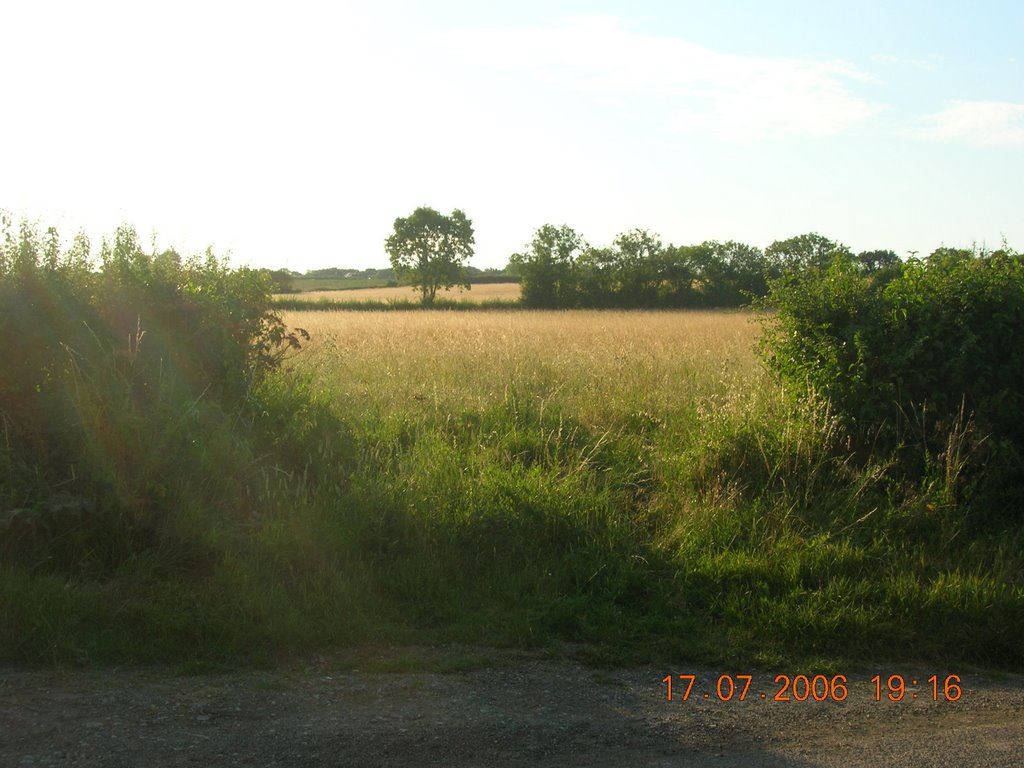
The photos show the access to Fivehead Arable Fields. There is limited parking at the entrance to the fields. Also shown is a view of the flowers and plants which fill the whole area.


Details of the reserve on the SWT web site at: http://www.somersetwildlife.org/reserve_58.php

Meanwhile behind the scenes there are lots of things to think about and we need the committee to meet to get a consensus of opinion.
We hope to meet on Thursday 20th July and on the agenda will be:

Report on Somerton Festival Group representation.
Support for our meetings in Sept, Oct and Nov.
Trust open day in the Bishop's Palace Gardens at Wells Cathedral and our involvement on Sept 24th.
Summer visits to reserves for familiarization. 3 down and 12 to go.
Next Somerset WildlifeTrust magazine and our contribution. Issue date August.
Our group web site ( in the form of this Blog). How to get others to join in and comment.

Organization of contacts with local members

As a general comment we are still looking for more helpers either on the committee or to join in organisation of specific events.

Offers by E.mail to : levelswildlife@tiscali.co.uk

Friday, July 14, 2006

Plant identification


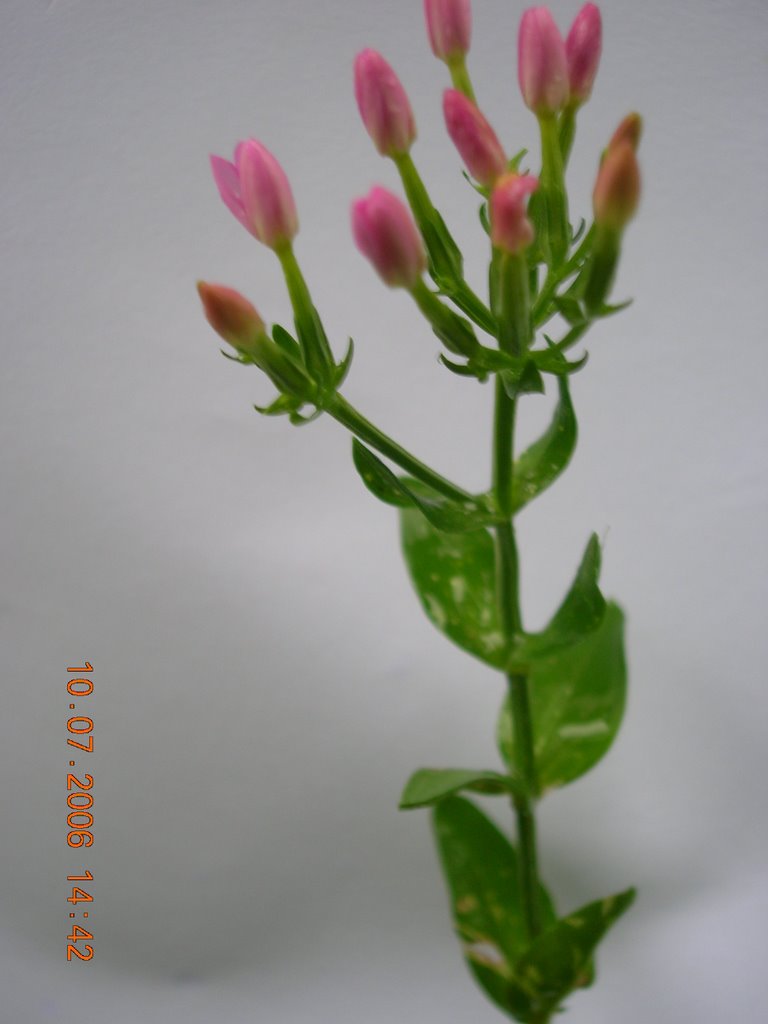
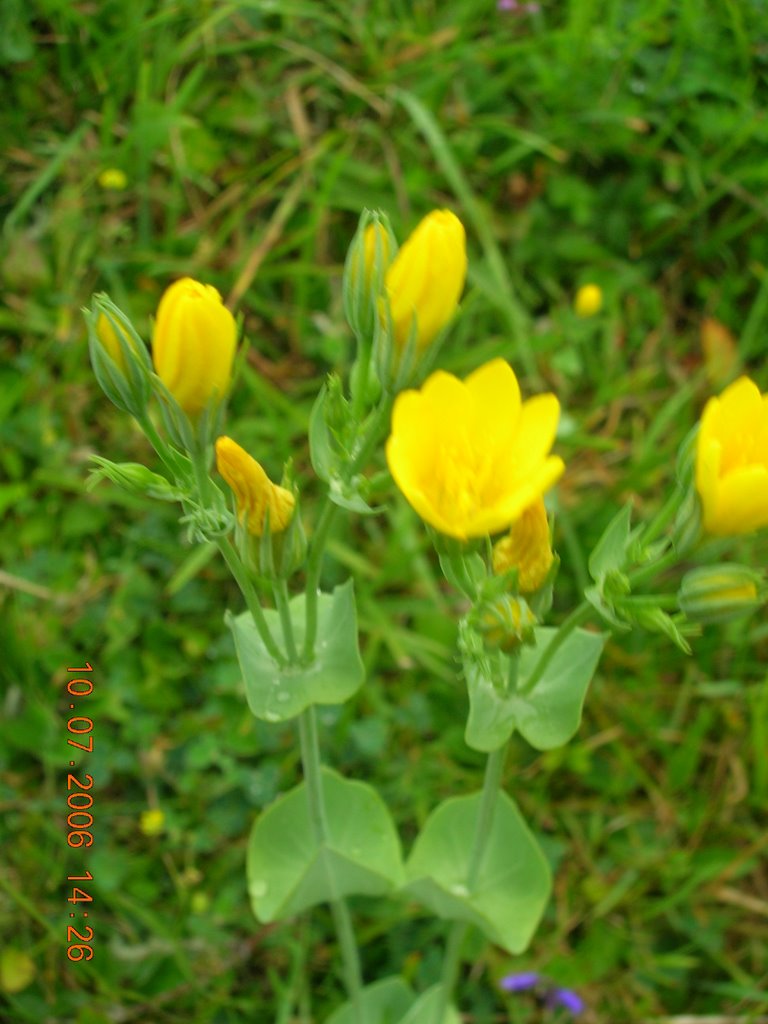
These photos were taken last Monday on the Dundon Beacon Reserve. On the south facing side of the mound.
I've looked in various books but cant find them so can anybody help please. There were other specimens in the area.


E-mail to : levelswildlife@tiscali.co.uk

Thursday, July 13, 2006

Moth identification

Heart of the Levels Wildlife Group

It seems the moth shown last post is a Yellow Underwing (Noctua pronuba) according to a member. Checking on the internet for a site to confirm the ident I found what appears to be a good site and you may like to try it. Here is the web address:
http://www.leps.it/indexjs.htm?SpeciesPages/NoctuaPronu.htm It shows a clear photograph very close to the one shown.